Technology
The Rise of Agentic Workflows
Oct 9, 2025
The industry is pivoting from "Chat" to "Do." We analyze the latest "Operator" models and why 2025 is the year AI starts handling complex, multi-step supply chain tasks without human oversight.
For the last three years, "Enterprise AI" mostly meant "RAG"—a chatbot that could read your PDFs and answer questions. While useful for knowledge retrieval, it was fundamentally passive. It waited for a human to ask a question.
As of Q4 2025, that era is ending. We are witnessing the shift to "Operator Models" (or Computer-Use Agents).
The Difference: Passive vs. Active
Chatbot (2024): You ask, "Where is the shipment?" The bot reads the database and tells you the location.
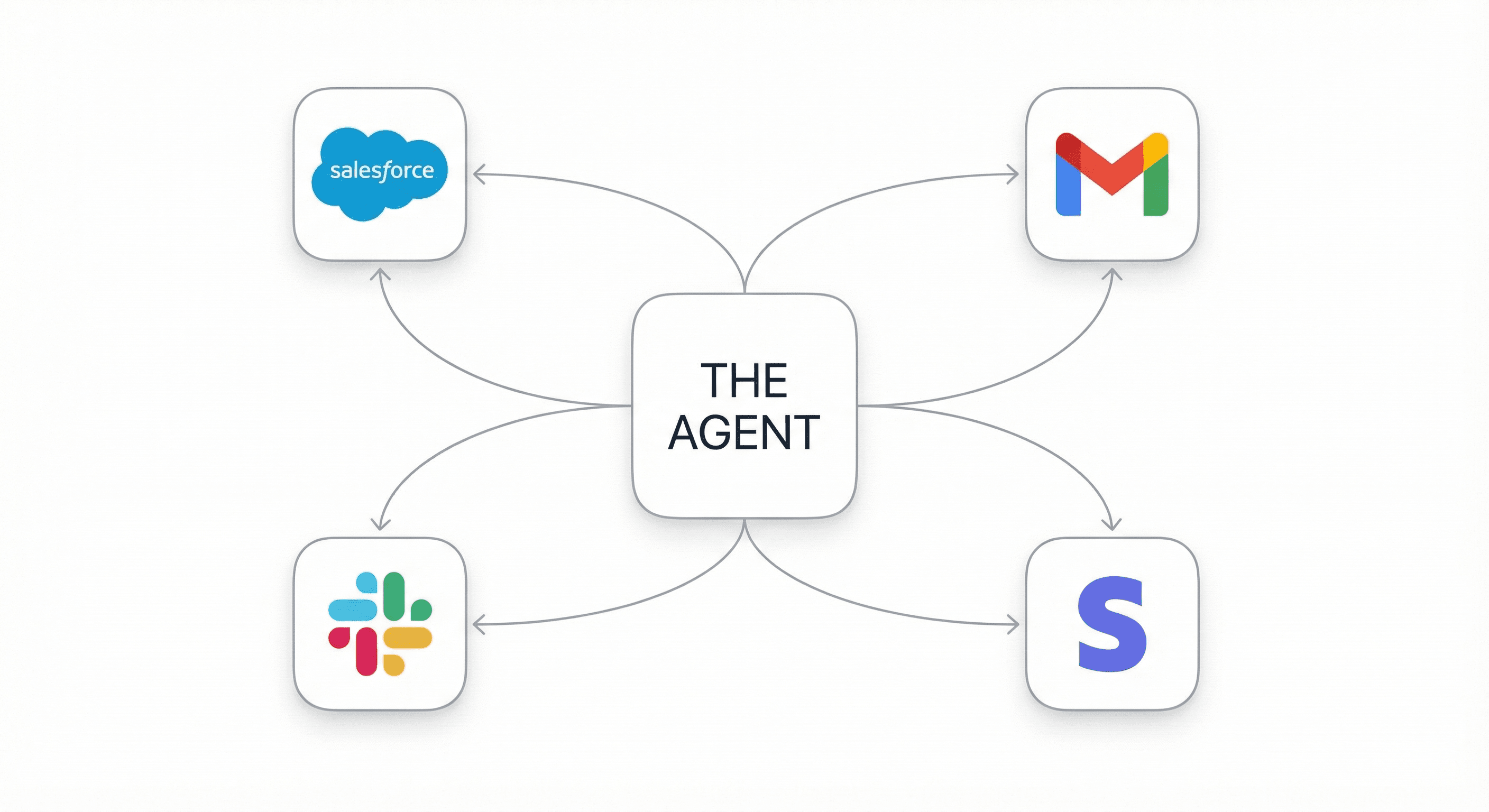
Operator (2025): The system notices a shipment is delayed. It proactively emails the customer, updates the CRM status to "At Risk," and Slack-messages the account manager—without anyone asking it to.
This isn't just a smarter model; it's a fundamental change in infrastructure.
Why "Computer Use" Changes the ROI Calculation
The latest models from OpenAI and Anthropic can now reliably "drive" a browser. This means legacy software that lacks an API is no longer a blocker.
At Veronix, we are currently deploying "Browser Agents" for logistics clients that:
Log into a legacy supplier portal.
Download invoice PDFs.
Read and extract line items.
Input the data into a modern ERP (like NetSuite).
This workflow used to require expensive RPA (Robotic Process Automation) bots that broke every time the website changed. Modern Semantic Agents adapt to UI changes automatically, reducing maintenance costs by nearly 60%.
The Verdict
If you are planning your 2026 roadmap, stop scoping "Chatbots." Start scoping "Workflows." The value is no longer in the conversation; it is in the execution.